

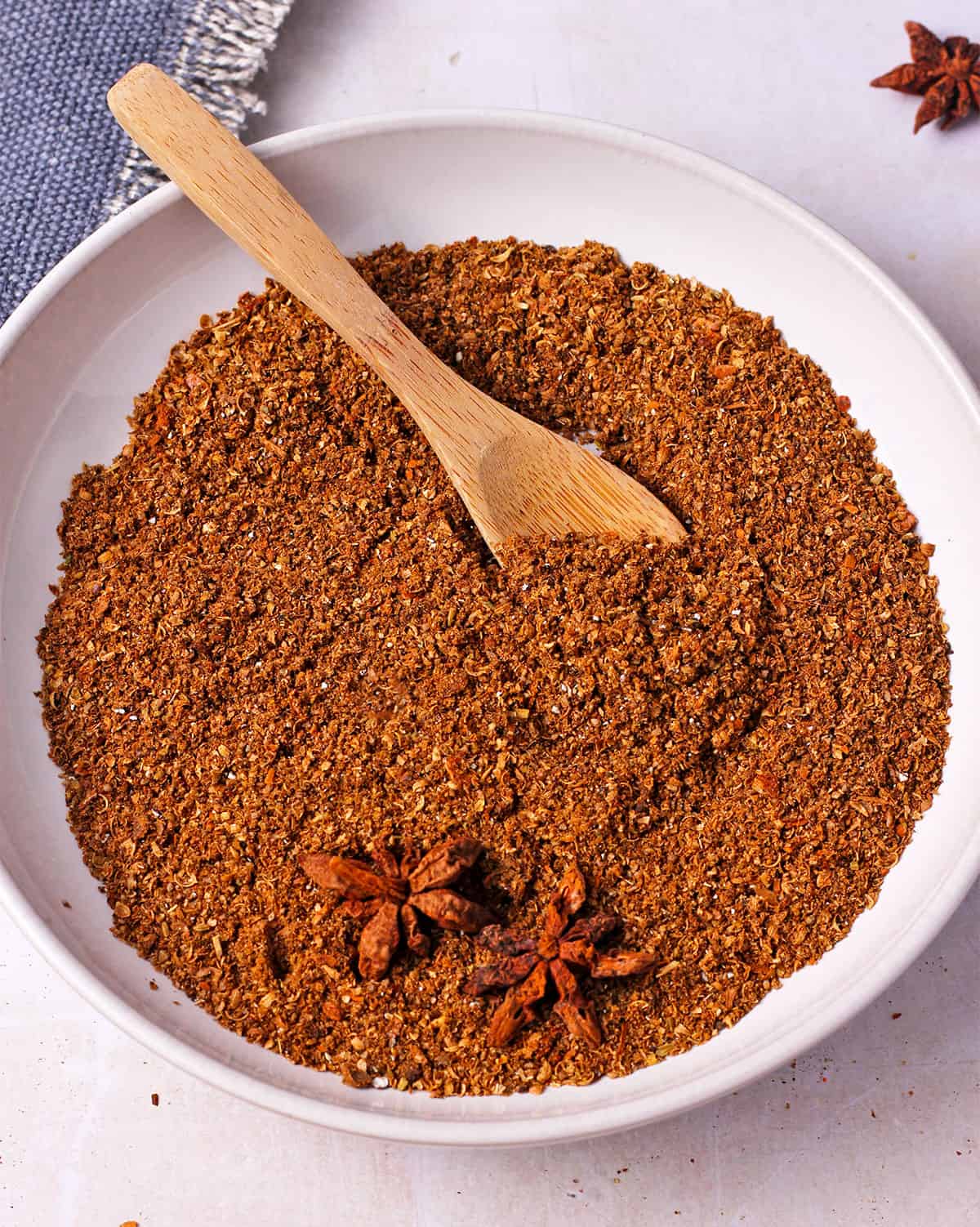
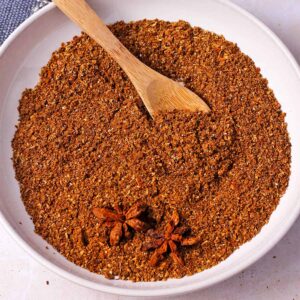
This traditional garam masala recipe uses whole spices that are gently toasted and freshly ground. It’s warm, aromatic, deeply flavorful, and perfect for your favorite vegan curries, stews, soups, and more.
It’s an easy-to-make homemade Indian spice blend and better than anything store-bought. If you don’t have all the whole spices, never fear, I’ve got ground spice substitutions if you need them.
🔎A Quick Look At This Recipe
- Prep Time: 15 minutes
- Cook Time: 5 minutes (toasting spices)
- Total Time: 20 minutes
- Yield: About 7 tablespoons
- Dietary info: Vegan, oil-free, gluten-free, salt-free
- Method: toast whole spices, then grind and mix.
- Flavor & Texture: A ground spice mix of warm, aromatic, complex flavors (not spicy-hot).
SUMMARIZE AND SAVE THIS CONTENT ON:
Table of Contents
What is Garam Masala?
Garam masala is a fragrant, warming Indian spice blend made with aromatic spices such as cumin, coriander, cardamom, cloves, cinnamon, and black pepper. It’s also used in Pakistani, Nepalese, and Caribbean dishes.
Like all regional and homemade mixes, such as Ethiopian Berbere blend or chili powder, garam masala recipes use slightly different spices and amounts. I’m presenting this easy recipe as a simple, all-purpose mix with more widely available ingredients so you can ramp up your Indian cooking like a pro!
Ingredients & Notes
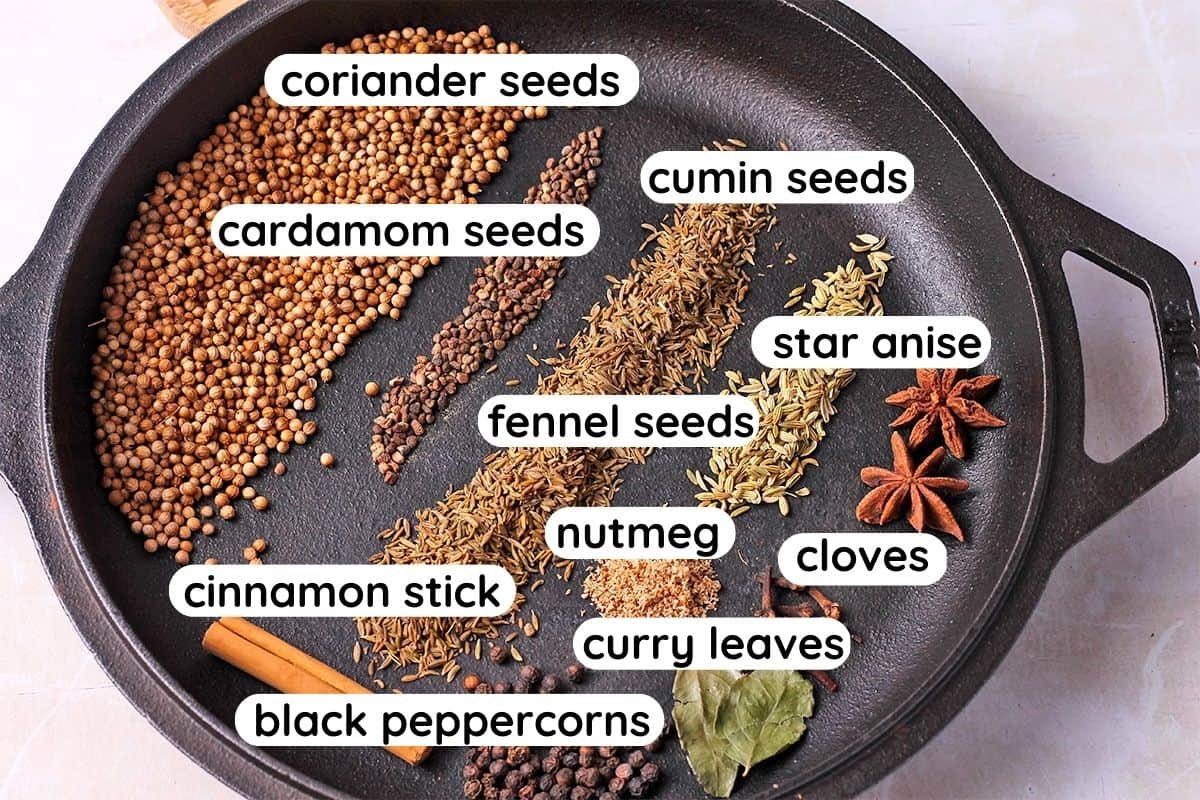
- Coriander seeds. Not to confuse it with cilantro. They are hard and round. 1 tablespoon of seeds = ½ teaspoon ground
- Cumin seeds. Earthy and warm with a hint of citrus. 1 tablespoon = ¾ tablespoon ground
- Fennel seeds. Slightly sweet with an anise flavor. The best substitute for fennel seeds is caraway seeds. Substitute with ¾ teaspoon ground.
- Black peppercorns. Authentic garam masala isn’t spicy hot, so black pepper is enough to add a little zip. Use 1 teaspoon freshly ground pepper as a substitute.
- Cardamom seeds. Complex and unique, cardamom is both fruity and nutty, with earthy and citrusy notes. 1 teaspoon of cardamom seeds is about 10 cardamom pods or ½ teaspoon ground. Some garam masala recipes use black cardamom pods. They are quite strong and tricky to find. If you use them, cut the amount in half.
- Star anise. They are shaped like stars, and the intense flavor is what you’ll taste in Chinese 5 spice mix. 2 star anise = 1 teaspoon anise seeds = 1 teaspoon ground.
- Cloves. If you buy garam masala blends, you may notice that the clove flavor varies widely (that’s been my experience). If you find cloves intense, then reduce to 4-6 rather than 8. Substitute with 2 teaspoons ground.
- Cinnamon stick. Korinjte cinnamon is the most common, but softer Ceylon (Mexican cinnamon) also works. One 3-inch stick = 1 teaspoon ground.
- Nutmeg. I like to grate fresh nutmeg, but you can use ground if that’s what you have.
- Curry leaves. Dry curry leaves have a more citrusy flavor than bay leaves, which are the closest substitute.
Please see the recipe card at the bottom of this post for the complete list of ingredients with measurements plus recipe instructions.
Easy Step-by-Step Instructions

Step 1: Toast the whole spices in a dry skillet over medium heat for about 1 minute.

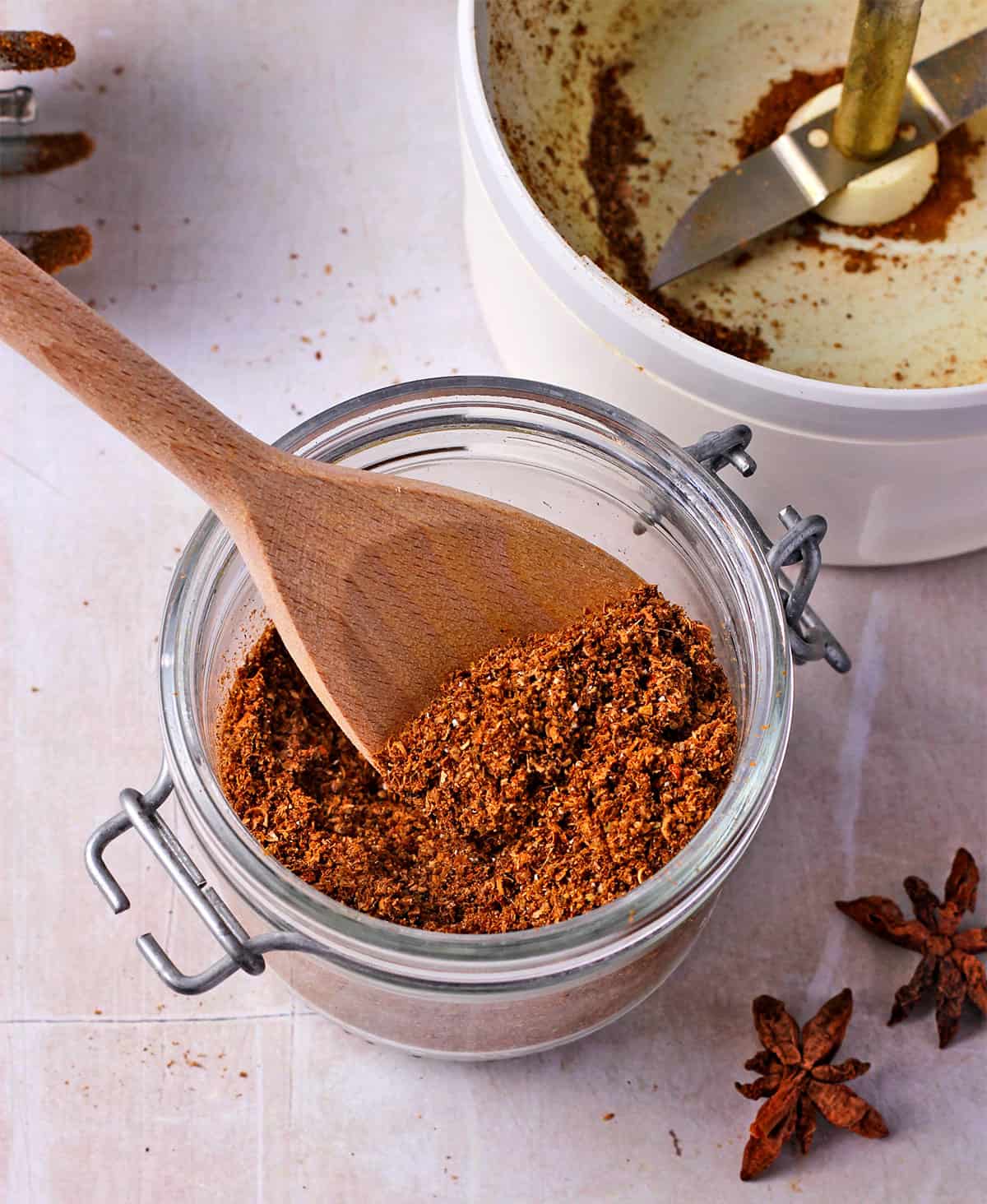
Step 2: Use a spice grinder to grind them into a fine powder. Combine the freshly ground spices with the remaining spices.
Why Toast Whole Spices?
Toasting whole spices releases essential oils, intensifying their aroma and deepening the flavor. This creates a richer, more balanced blend.
Denise's Pro Tips
- Only toast whole spices.
- Whole spices burn easily. Stir them constantly while toasting. Remove them immediately from the hot pan to prevent further browning.
Want to save this recipe? 🥣
Common Mistakes
Here are my two big mistakes (I’ve made them both) and how to avoid them:
- Double-check the recipe and measure the ingredients methodically. Maybe it’s me, but I find it very easy to get in a hurry and lose track of the ingredients I’ve added (or forgotten to add). I recommend getting out all your containers and lining them up in order before you start measuring.
- Use a dry storage container (jar or plastic). I once mistakenly used a container jar that had a little moisture for a big batch of vegan chicken broth powder. The result? Clumpy, hard spices that started to mold in days. If you’re in doubt, give your spice jar and lid a good swipe with a dry paper towel.
How to Use Garam Masala
- Avoid over-spicing. Start small with ¼ to ½ a teaspoon and add as needed.
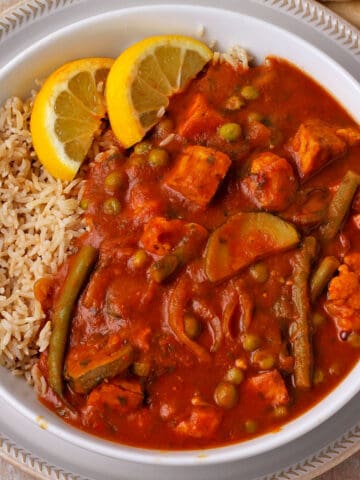
- Add it to curries and lentil recipes near the end of cooking. Use it to spice up red lentil mango dahl or samosa patties.
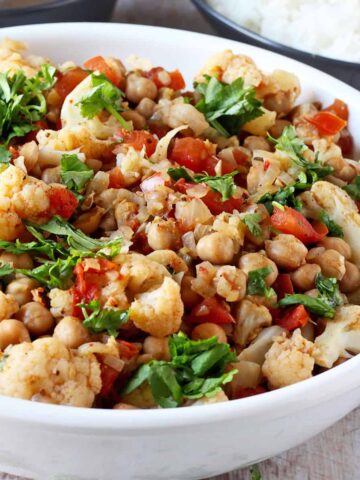
- Sprinkle over roasted vegetables, or scrambled tofu with turmeric and smoked salt.
- Stir into soups, stews, and sauces such as spicy vindaloo sauce.
- Mix into marinades for tofu or tempeh.
- Get creative! Add a pinch to lemon rice or grain dishes, pumpkin pie, or to mashed sweet potato casserole.


Storage & Shelf-Life
- Store in a dry airtight container or jar.
- Keep in a cool, dark place, away from direct sunlight, stove heat, or excess steam.
- Spice blends are generally best if used within 6 – 12 months; however, they can last longer. It ultimately depends on the freshness of individual spices used in the mix.
- If the aroma fades, it’s time to refresh.
Frequently Asked Questions
No. The flavor is warming, slightly sweet, and aromatic, not spicy hot.
Whole spices can be ground without toasting, but toasting dramatically improves the flavor and aroma.
Garam masala and curry powder are not the same. Garam masala is a traditional Indian blend that’s aromatic and spicy, but not hot. Curry powder is an Indian-inspired Western blend, invented by the British. It contains turmeric and comes in a variety of blends and heat levels.
I don’t recommend freezing spices because it can increase the moisture content, especially in freezers that are frequently opened and closed. This increases the risk of flavor reduction or, occasionally, mold development.
For the finest blend and best flavor, I recommend removing the cardamom pods and just blending the seeds. Ultimately, it’s up to you.
Hungry for more? Subscribe to my newsletter and follow me on Facebook, Pinterest, and Instagram for all the newest recipes!
If you make this recipe, please leave a ⭐⭐⭐⭐⭐ rating. It’s much appreciated!
👩🏻🍳 Recipe
Garam Masala (Homemade Indian Spice Blend)
Rate this Recipe:
Ingredients
- 4 tablespoons coriander seeds - 2 tablespoons ground
- 4 tablespoons cumin seeds - 3 tablespoons ground
- 1 teaspoon fennel seeds - ¾ teaspoon ground
- 1 teaspoon black peppercorns - 1 teaspoon ground
- 1 teaspoon cardamom seeds - 10-12 cardamom pods, ½ teaspoon ground (see note 1)
- 2 whole star anise - 1 teaspoon anise seeds, 1 teaspoon ground
- 8 whole cloves - 2 teaspoons ground
- 1 medium cinnamon stick - 3-inch stick, 1 teaspoon ground
- ½ teaspoon ground nutmeg
- 2 medium dry curry leaves - or 1 large bay leaf
Instructions
- Add all the whole spices to a heavy-bottomed frying pan or skillet. Toast the spices over medium-high heat, stirring them constantly, for about a minute. When the spices start to become fragrant and the seeds slightly brown, remove them from the heat.
- Immediately transfer the spices to a small bowl or spice grinder to stop the cooking process.
- Use a spice grinder or a clean coffee grinder to break the spices into a fine powder. Add the nutmeg or any ground spices you’re using as substitutes for whole spices. Give the spice grinder another twirl to mix.
- Keep garam masala in a dry, airtight container or jar in a dry, dark place until you are ready to use it. It keeps fresh for months or years, depending on the freshness of the individual spices.
Video
Notes
- If using cardamom pods, you can either break them and remove the seeds for the freshest flavor or toast and grind whole pods.
- Ensure that your spices, spice grinder, and storage container are perfectly dry. Moisture can cause clumping and solidifying of the spice blends and sometimes mold.
- Store spices and dried herbs away from direct sunlight and steamy heat sources like the stove, Instant Pot, or rice steamer.
- I don’t recommend freezing ground spices because they can easily absorb moisture, and dry spices have a long shelf life. You’re better off making half a batch of a spice blend if you don’t think you’ll use it within a year.
Nutrition
Nutritional information is an estimation only.


Leave a Reply